A castle shaped by conflict, residence and rebuilding
The current archive preserves several historical chronologies. Where those chronologies conflict with formal archaeological descriptions, the new site will show the disagreement rather than silently resolve it.
An early-sixteenth-century origin has traditionally been given for Leap, while the Archaeological Inventory excerpt preserved on the Interior Layout page characterises the surviving tower house as late sixteenth century. This remains flagged for source reconciliation in the next research pass.
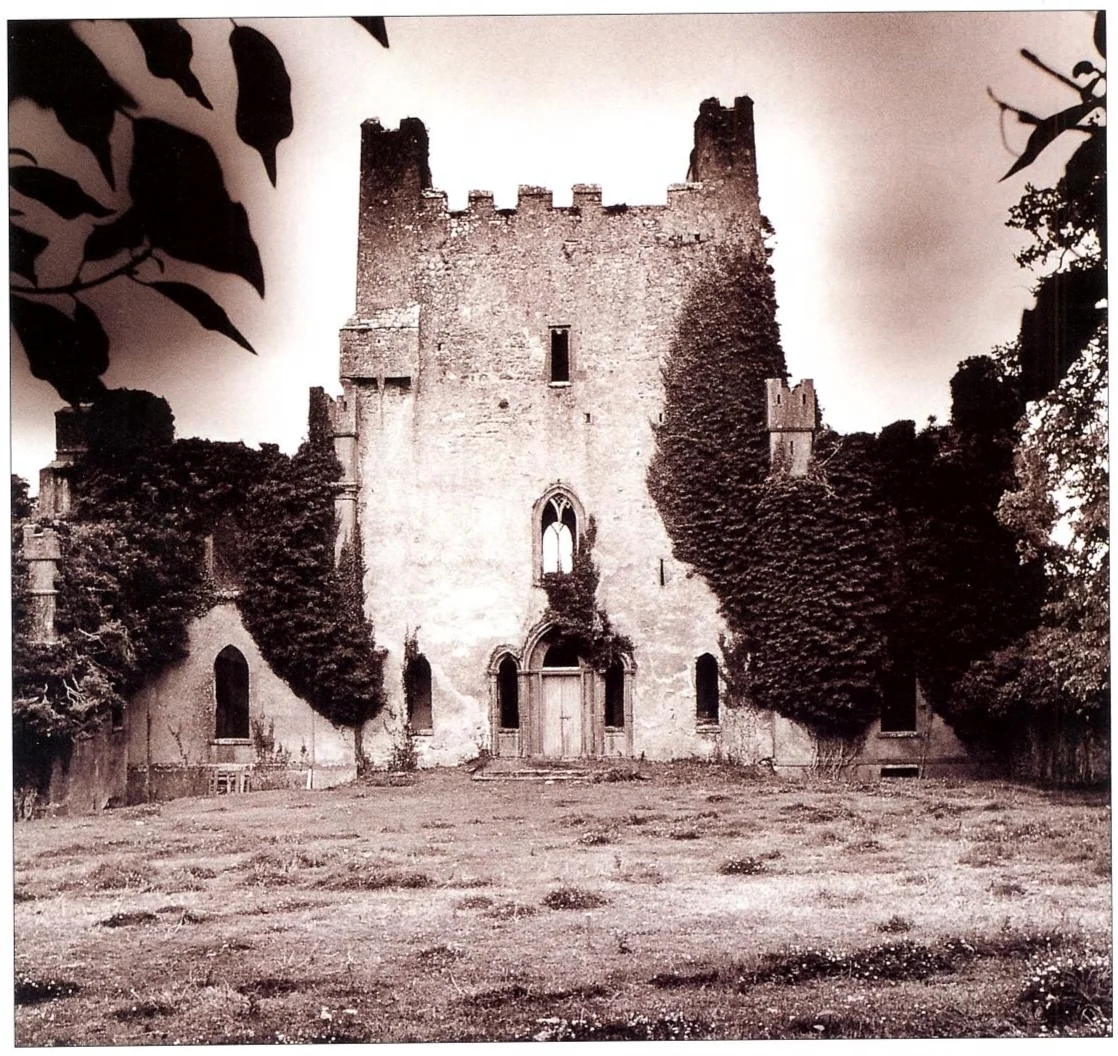
O’Carroll Era
Clan history, stronghold traditions and the contested early chronology.
Explore →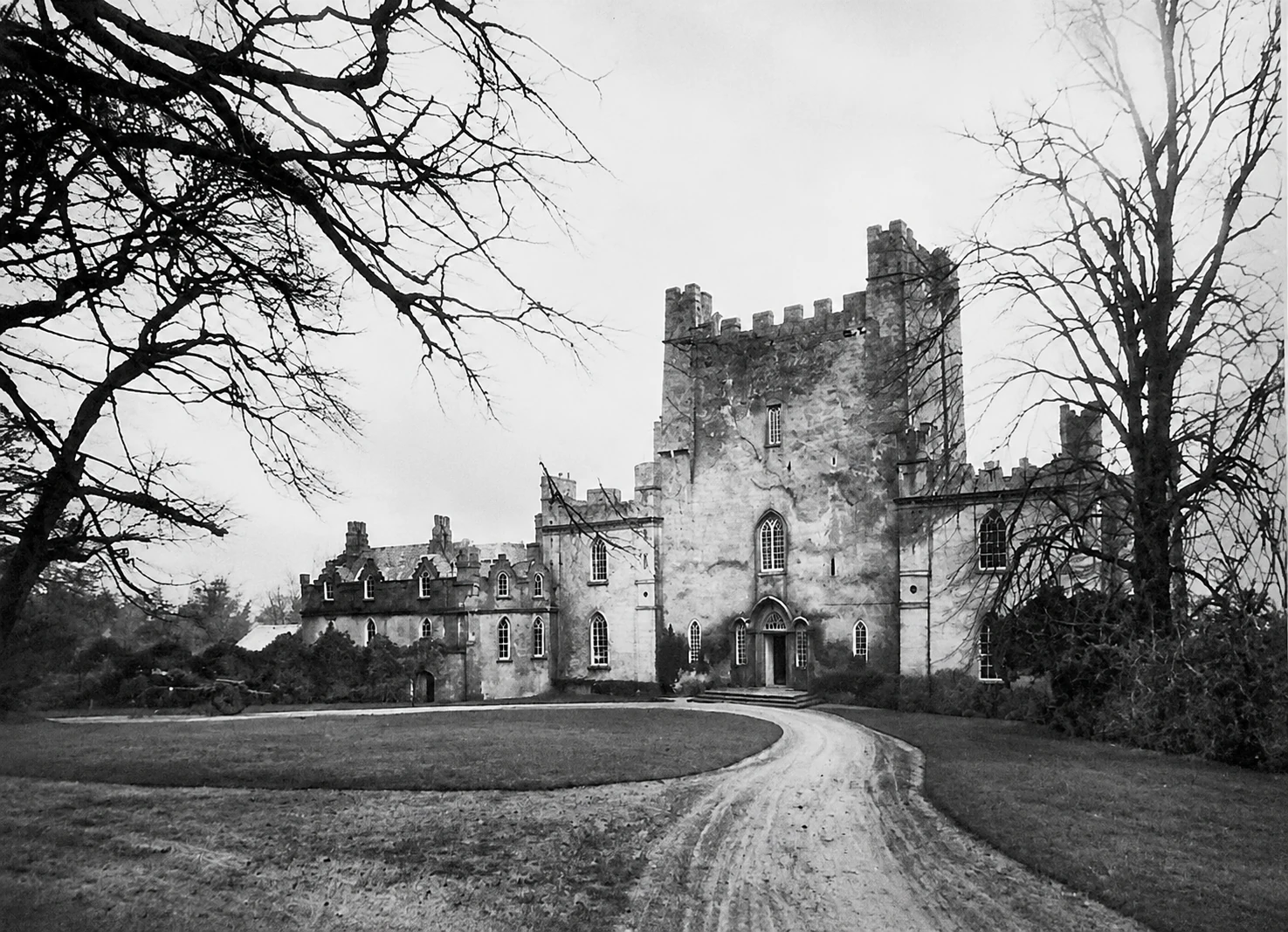
Darby Era
Family succession, remodelling, Mildred Darby and the estate before 1922.
Explore →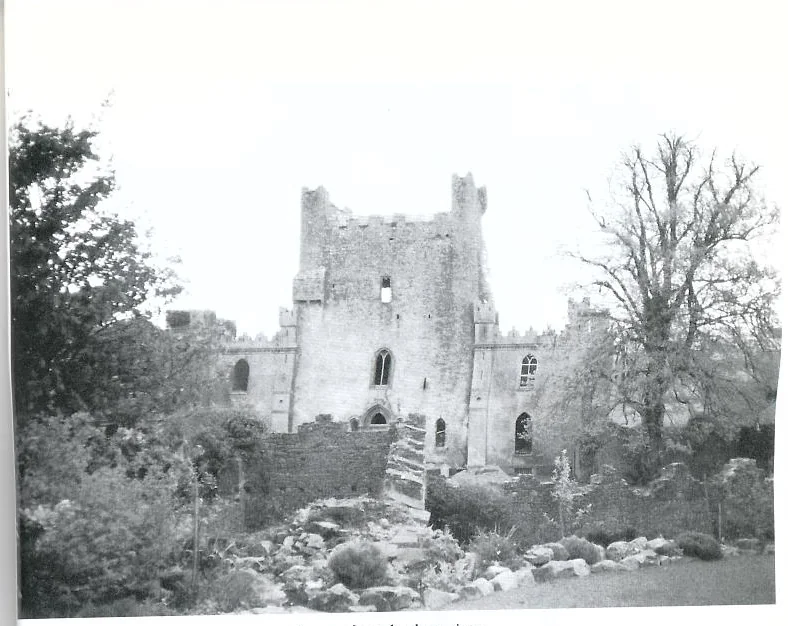
The Burning of 1922
Caretaker Richard Dawkins’s evidence, the two fires, looting and aftermath.
Explore →The surviving construction account records extensive Darby-era remodelling and expansion beginning in 1753.
Mildred Darby’s investigations have been associated with the rediscovery of hidden spaces including the guardroom and lower stair access.
Two successive fires destroyed the inhabited wings and left Leap a ruin.
Peter Bartlett undertook rebuilding and preliminary restoration.
Restoration continued under Seán Ryan and Anne Callanan-Ryan.
History
This section carries the substantive text and imagery from the WordPress source into v0.3. Wording is deliberately preserved for content parity; factual reconciliation, citation work and editorial rewriting remain later passes.
One of the longest continually inhabited Castles in Ireland, Leap Castle has a rich and fascinating history. Leap Castle is thought to have been built in the early 1500’s by the O’Bannon clan. The O’Bannon clan were the secondary chieftains under the ruling of the O’Carroll clan. The current building is thought to have been built over an earlier castle. Before that the site was used by Druids for initiation ceremonies. The castle has been home to much bloodshed and violence over the centuries.
Originally named Leim Ui Bhanain meaning ‘Leap of the O’Bannons’. Legend has it that two O’Bannon brothers were contesting the chieftainship of their clan. The only way to settle this argument was a display of strength and bravery. They were to both jump off the rocky outcrop where the castle was to be built. The survivor won the honour and right to be Chieftain. Thus the castle was built, fueled by blood and death.
Leap Castle was used as a principle stronghold of the O’Carroll clan. It was used to guard the pass through the Slieve Bloom Mountains and has been said that no castle was more well-fortified than Leap. The O’Carrolls were a fierce and brutal people, bent on domination. They were known for their ruthless tactics, often killing others and each other on the path to supremacy. The O’Carolls called Leap Castle their home until it was wrenched from their hands in 1642 by an English soldier of the Cromwellian forces named John Darby.
The castle has been subject to much remodelling and restoration over the years, most of the remodelling having been done by the Darbys. The Darbys inhabited Leap Castle from 1642 until it’s burning in 1922. Unfortunately Leap Castle was the target for an uprising and was looted and burnt to an empty shell in 1922. Here it lay dormant until it was purchased in 1974 by an Australian, Peter Bartlett. This saw the awaking of the ancient building. The work is now being continued by current owners, the Ryans.